The Challenge
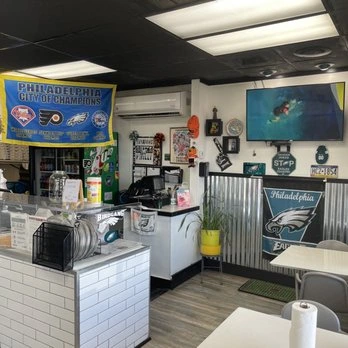
Restaurant environments in Las Vegas must absorb intense kitchen loads while preserving dining comfort in high outdoor temperatures. If thermal zoning, exhaust support, and electrical capacity are not coordinated early, operations can suffer immediately after opening.
TS9Designs needed to create a permit-ready package that balanced high-output foodservice requirements with clean layout coordination and long-term serviceability.
Design Strategy
Mechanical
We developed load and airflow assumptions for kitchen and dining zones separately, with ventilation planning built around cookline conditions and pressure-balance intent. Air-distribution planning prioritized comfort, odor control, and operational stability.
Electrical
Electrical design captured kitchen equipment, refrigeration, lighting, and support loads with demand-based panel/service planning. Circuit mapping and panel schedules were structured to support reliability and future flexibility.
Plumbing
Plumbing planning used fixture-unit methodology for domestic and sanitary sizing, with practical routing and maintenance access. Hot-water assumptions were aligned with dishwashing and sanitation peaks.
Coordination and QA
Integrated architectural and MEP coordination reduced conflicts across equipment footprints, pathways, and clearances. QA checks verified consistency between calculations, schedules, and final plan notes.
Permitting and Code Approach
The package was organized for clear review against local building and restaurant-adjacent code expectations, with documented assumptions that improve reviewer confidence and shorten revision loops.
Construction Documentation Deliverables
- Integrated architectural + MEP permit set
- Thermal and ventilation planning notes
- Electrical service and panel schedules
- Plumbing fixture and piping coordination
- Lighting and controls documentation
- General coordination and installation notes
Outcomes
The project moved forward with a technically coherent package that supports both buildability and day-to-day operations. TS9Designs delivered documentation that reduces ambiguity for contractors and improves startup readiness for ownership.
The case highlights the importance of pairing hospitality design intent with rigorous MEP execution in hot-climate markets.
Educational Best Practices
- Separate kitchen and dining thermal assumptions early.
- Treat kitchen-adjacent ventilation as a systems package, not isolated equipment.
- Document demand assumptions in electrical schedules.
- Size sanitation-driven hot-water systems for peak intervals.
- Use integrated coordination to avoid inter-trade conflicts.
Need restaurant plans that are both beautiful and technically robust? TS9Designs delivers integrated architectural and MEP packages engineered for real operations.